November 10, 2026
How Professional Termite Control Services Identify Entry Points
By @stephennubi422
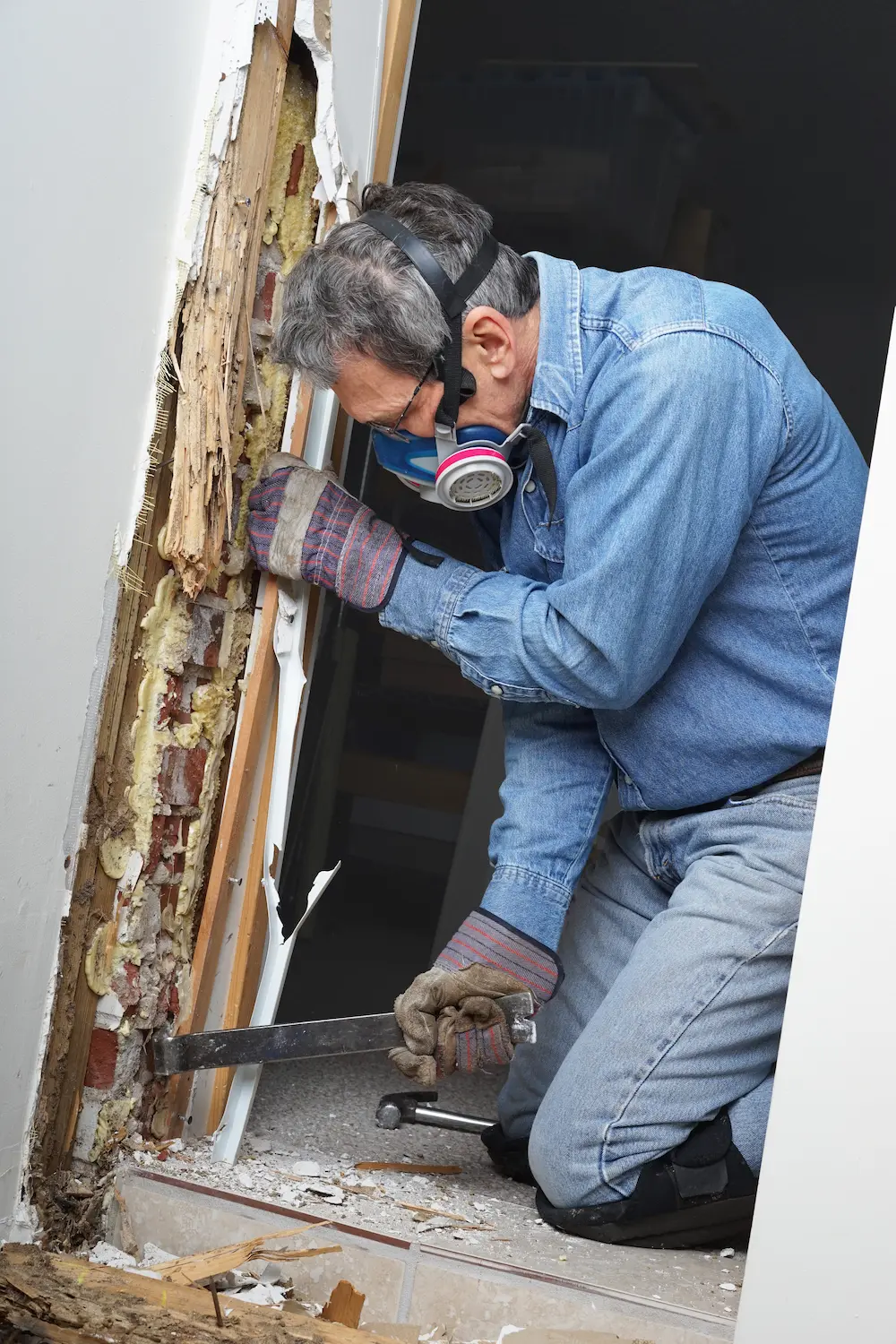
Termites rarely announce themselves at the front door. They come in quietly, through a gap the width of a credit card, a hidden expansion joint, a plumbing penetration behind a cabinet, or a section of siding that sits just a little too close to damp soil. By the time a homeowner notices blistered paint or hollow-sounding trim, the route inside has often been active for months.
That is why experienced termite inspectors do not start with the insects. They start with access.
In practical field work, finding termite entry points is part building science, part pattern recognition, and part patience. Good technicians are not simply searching for bugs. They are reading the structure. They want to know where moisture collects, where wood stays cool and damp, where concrete cracked during settling, where old repairs changed the grade line, and where one trade left a small opening that another trade covered over without sealing.
Professional Termite Control Services build that picture systematically. The process looks simple from the outside, but there is more judgment involved than most people realize.
Entry points matter more than most people think
People often assume termite control is mainly about killing a colony once it is found. Treatment matters, of course, but access points explain why the infestation happened in the first place and why it may come back if the conditions remain.
A subterranean termite colony can forage widely in search of cellulose and moisture. It does not need a dramatic opening. A thin crack in a slab, an unfinished pipe chase, or wood-to-soil contact at the base of a deck can be enough. Drywood termites behave differently, but the principle is the same. They exploit overlooked transitions in a building envelope, especially around eaves, fascia, soffits, attic vents, and exposed end grain.
When a professional identifies entry points accurately, it changes the entire treatment plan. It can affect whether a liquid termiticide barrier will be effective, whether baiting makes more sense, whether damaged wood needs replacement, and whether drainage correction or ventilation improvements are part of the long-term solution. Without that diagnostic work, treatment becomes guesswork.
The inspection starts before anyone touches the house
Seasoned termite inspectors form their first impressions from the curb.
They look at grade and drainage, even before they knock on the door. Water that runs toward the structure instead of away from it often tells a story. So do heavy mulch beds piled against siding, dense shrubbery that traps humidity along the foundation, and irrigation heads that soak one area repeatedly. These are not cosmetic observations. They point toward places where termites can approach undisturbed.
The age and construction type of the home also matter. A monolithic slab behaves differently from a crawl space. Brick veneer creates inspection blind spots if the weep screed is buried. Additions often reveal weak transitions where new framing meets old material. Garages, patios, porches, and enclosed sunrooms can create hidden joints that termites use as bridges into main living areas.
An experienced inspector also notices signs of previous work. Fresh caulk can hide old cracks. Replaced baseboards in one room may suggest prior activity or water damage. New flooring over an older slab can conceal expansion-joint issues that still exist below. None of these observations confirms termites by itself, but together they create a map of likely routes.
Exterior inspection is where many entry points reveal themselves
For subterranean termites, the exterior is usually the first and most important battlefield. The technician works slowly around the perimeter, often probing exposed wood, checking slab edges, and looking closely at every place soil, moisture, and wood meet.
The most productive areas are often the least glamorous parts of a property. Hose bibs. Utility penetrations. Air-conditioning lines. Foundation vents. Fence posts attached directly to the home. Wooden lattice below a porch. Door frames where weather exposure has softened the lower corners. These spots are common because they combine shelter, moisture, and reduced visibility.
Professionals are also trained to distinguish likely termite pathways from unrelated defects. For example, not every crack in concrete matters, and not every damaged board indicates insect activity. A vertical hairline shrinkage crack in a slab edge may be less concerning than a wide gap around a plumbing line or a settling separation at a cold joint. The judgment lies in evaluating whether a feature offers actual access and whether conditions around it support termite movement.
One of the most common mistakes property owners make is focusing only on the obvious foundation wall. Termites do not share that narrow view. They exploit attached structures constantly. An untreated wooden step stringer can provide a bridge. So can a trellis, a pergola post, or siding that extends too low behind landscaping stone. Professionals inspect these features with the same seriousness they give the main structure, because termites often use them as staging points.
Moisture is often the real invitation
In field practice, moisture is the thread that connects many infestations. Termites need it, wood decay thrives in it, and buildings with chronic dampness tend to have more concealed vulnerabilities.
That is why professional Termite Control Services pay close attention to clues that seem, at first glance, unrelated to insects. A clogged downspout that dumps water near a corner. A bath trap leak in a crawl space. Condensation around an HVAC line. A flower bed with landscape fabric that traps moisture against the stem wall. All of these can create conditions that make entry more likely and detection less likely.
Crawl spaces are especially revealing. If there is poor airflow, torn vapor barrier, standing water, or insulation falling away from the subfloor, the inspector knows the structure may be offering termites both access and cover. In these spaces, mud tubes may be easier to find on piers or foundation walls, but the true entry point may still be subtle, such as a crack at a plumbing penetration or a sill area softened by long-term humidity.
Attics tell a different story, particularly for drywood termites. Leaky flashing, poorly ventilated soffits, and weathered fascia can invite colonies into roof framing or trim. A professional does not rely on one universal pattern. Different termite species enter differently, and the inspection adapts accordingly.
What professionals look for during a close inspection
A good termite inspection is not random. The technician follows clues, confirms them, then keeps testing the structure for weak points that fit the pattern.
Common signs and access clues include:
- Mud tubes on foundation walls, piers, slab edges, or behind stored materials.
- Wood-to-soil contact at siding, trim, deck posts, stair components, or fence connections.
- Cracks and gaps around utility penetrations, expansion joints, and settling areas.
- Moisture-damaged wood, blistered paint, or trim that sounds hollow when tapped.
- Swarm evidence such as discarded wings near windowsills, lights, or attic access points.
Those clues do not all carry equal weight. Mud tubes are a strong indicator of subterranean termite movement, but even then, the route may branch behind finishes or into concealed framing. Discarded wings can point to swarm activity without proving the exact point of entry. Soft wood might be termite-related, or it might be rot, carpenter ants, or simple water damage. Skilled inspectors build the case carefully, combining visible evidence with construction knowledge.
Why utility penetrations deserve special attention
If there is one category of entry point that repeatedly surprises homeowners, it is utility penetrations. Water lines, gas lines, electrical conduits, cable bundles, refrigerant lines, and drain pipes all create interruptions in the building shell. If they were not sealed properly during construction, or if sealants shrank and failed over time, they become attractive pathways.
This is especially true in slab-on-grade homes. A plumbing penetration that passes through concrete may leave a tiny annular gap, sometimes invisible unless the inspector is down at ground level with proper lighting. Below sinks, behind toilets, near water heaters, and around laundry hookups, these areas can allow termites to move from hidden zones into cabinetry, wall framing, or flooring systems.
I have seen cases Termite Control Services where the infestation pattern made little sense until a technician traced activity back to a bath plumbing wall on the opposite side of the home. The visible damage showed up in a dining room baseboard, but the actual access route was a concealed pipe chase with chronic moisture. Without that level of tracing, treatment might have hit the symptom and missed the mechanism.
Foundations tell a story, but only if you know how to read them
Not every foundation defect invites termites, yet many infestations do exploit construction details that look harmless to an untrained eye.
A slab crack can matter if it extends through a vulnerable interior path and aligns with moisture conditions. Expansion joints can matter if they have opened or if flooring transitions hide activity. In masonry homes, mortar joints and veneer gaps may provide concealed travel areas, especially when landscaping has covered the lower courses. Crawl space block walls often reveal shelter tubes in places a homeowner would never think to check, such as the back side of an interior pier or beneath insulation fragments.
Professionals also understand that foundations are rarely inspected in perfect conditions. Stored items, finished basements, wall coverings, and hardscape additions all reduce visibility. That limitation is part of the job. A competent inspector notes inaccessible areas and adjusts the search. If one side of a slab edge is blocked by a patio pour or stone veneer, the technician looks harder at connected clues elsewhere, including moisture patterns, interior trim damage, and adjacent expansion lines.
This is where experience matters more than gadgets. Tools help, but interpretation is everything.
The role of tools, and their limits
Modern termite inspections may involve moisture meters, probing tools, bright inspection lights, sounding methods, and occasionally borescopes or thermal imaging. These are useful, but none replaces a careful physical inspection.
A moisture meter can flag elevated readings in baseboards or wall materials, but moisture alone does not equal termites. A sounding tool can reveal hollowness in trim or framing, but decay fungi can produce similar results. Thermal imaging can suggest temperature anomalies, yet it is indirect evidence and can be misleading in exterior walls affected by sun exposure or HVAC differentials.
Good professionals use tools to confirm judgment, not to avoid it.
That distinction matters when homeowners are sold on dramatic inspection technology without understanding what it can and cannot prove. Reliable Termite Control Services tend to be straightforward about this. They explain where evidence is direct, where it is circumstantial, and where invasive verification may be needed before repairs begin.
Interior patterns often point back to exterior access
Homeowners usually notice the interior symptom first. A window stool starts crumbling at the corner. Hardwood flooring buckles slightly along a wall. Paint bubbles on a door casing. A closet baseboard sounds papery when tapped.
The technician then works backward. If the damage is on an exterior wall, attention turns to grading, siding clearance, nearby irrigation, and penetrations outside that section. If the issue is near a bath or kitchen, plumbing routes become suspect. If there is isolated activity in upper framing, roofline details and attic ventilation deserve scrutiny.
This backward tracing is one of the least visible but most valuable parts of a professional inspection. People often imagine termite work as a direct line from evidence to treatment. In reality, it is often a chain of small observations. The shape of damage, the moisture source, the construction assembly, and the likely species all help reveal where the insects got in.
Drywood termite cases can be especially deceptive. Because they do not require soil contact like subterranean termites, owners may overlook upper-level access points entirely. A tiny gap in fascia, weathered eave trim, or an unscreened vent opening can be enough. Pellets found on a windowsill may be the first clue, but the colony could be well above that point in roof framing or decorative exterior woodwork.
Landscaping and exterior design can hide serious vulnerabilities
Some of the most termite-friendly conditions are installed intentionally because they look attractive. Thick mulch against siding. Decorative stone piled above the foundation line. Dense evergreen shrubs pressed against exterior walls. Timber edging that touches the structure. Wooden planters built right against stucco or siding.
These features are not always a problem, but they can conceal the very areas inspectors need to see and keep them damp for long periods after rain or irrigation. In some homes, the entry point is not a dramatic structural flaw. It is simply an area that stayed hidden, wet, and undisturbed long enough for termites to exploit.
That is one reason professional inspections sometimes include recommendations that seem more like property maintenance than pest control. Pull back mulch. Lower soil grade. Trim vegetation. Redirect irrigation. Replace wood edging with non-cellulose materials near the home. These steps reduce access and improve future visibility. They are preventive measures, but also diagnostic ones. If an area cannot be inspected clearly, it cannot be protected confidently.
Why prior repairs can create new entry points
Repairs do not always solve the problem they appear to solve. Sometimes they cover it, and sometimes they create a different route.
A contractor may replace damaged trim without identifying why it failed. Flooring installers may bridge over a moisture-prone slab detail without addressing the source. Siding work can leave lower edges too close to grade. Patio renovations can trap the slab edge behind hardscape, reducing inspection access. Even well-intentioned cosmetic repairs can seal visible evidence while termites continue moving behind the finish surface.
Experienced inspectors pay attention to material transitions because they often reveal this history. Fresh caulk at one window but not the others. Replaced sheetrock along the bottom of a single wall. A newer porch skirt with no visible inspection gap. These details suggest a Termite Control Services question worth asking: what happened here before?
In one fairly typical scenario, a homeowner replaces a rotted door frame twice over several years and assumes the cause is rain exposure. A termite technician notices that the threshold sits over an area where grade has built up, irrigation wets the corner daily, and the jamb makes near contact with the soil line behind mulch. The repeated repair failed because the route of entry remained open.
What homeowners can do before and after an inspection
Professional inspections are more productive when access is good and property history is shared honestly. Owners do not need to diagnose the issue themselves, but they can make it easier to locate entry points and decide on the right treatment.
A useful preparation checklist is short:
- Move stored items away from garage walls, crawl space access, and attic openings where possible.
- Point out past leaks, prior termite treatments, and any areas where trim or flooring was repaired.
- Clear heavy vegetation or debris from immediate contact with foundation walls if practical.
- Note where swarmers, wings, pellets, or unusual wood damage have been observed.
- Ask the inspector to explain not just where activity exists, but how the insects likely entered.
That last question matters. Homeowners deserve more than a treatment quote. They should understand whether the issue is tied to moisture, grade, construction detail, or hidden wood contact. When entry pathways are explained clearly, prevention becomes far more realistic.
The difference between a surface inspection and a professional diagnosis
Many termite problems are not missed because they are impossible to find. They are missed because the inspection never got beyond the surface.
A surface inspection sees damaged trim and recommends treatment. A professional diagnosis asks why the trim was vulnerable, where the route begins, whether the path is active, whether adjacent assemblies are at risk, and what building conditions need correction. That deeper analysis is what separates experienced Termite Control Services from companies that simply sell a standard package.
There is also a practical honesty in a strong inspection. Sometimes the technician can identify the entry point with high confidence. Sometimes several probable routes exist, especially in older homes with layered repairs and limited visibility. Good professionals state that plainly. They explain what is visible, what remains concealed, and what corrective work would reduce uncertainty.
That kind of judgment protects the homeowner. It prevents overpromising and helps align treatment with the structure as it actually exists.
What happens after the entry points are identified
Once the likely access routes are found, treatment planning becomes far more precise.
If subterranean termites are entering at soil-contact areas and slab penetrations, a perimeter soil treatment or targeted trench-and-treat approach may be appropriate, sometimes combined with foam applications in voids. If conditions around a crawl space are driving the problem, moisture correction and structural repairs may be as important as chemical treatment. If drywood termites are localized in upper trim or attic framing, spot treatment or wood replacement may be considered, depending on the extent and location of activity.
The entry point findings also shape preventive work. A reliable recommendation might include increasing siding clearance, sealing penetrations, correcting drainage, removing cellulose debris, or replacing high-risk wood details with less vulnerable materials. These are not upsells when they are legitimate. They are what closes the loop between treatment and prevention.
Without that step, even successful termite elimination can be temporary.
Why this process rewards experience
There is no single signature that reveals termite entry in every home. Two houses on the same street can have completely different vulnerability profiles because of grade, additions, irrigation, ventilation, prior repairs, and species pressure. That variability is why experience counts so much.
A skilled inspector knows that termites often choose the least visible, least dramatic route. A quarter-inch gap behind an AC line set cover may matter more than a much larger crack in an exposed walkway. A damp sill area beneath a dishwasher may deserve more concern than cosmetic trim damage in a dry hallway. A deck ledger attached incorrectly can become a termite bridge even when the main foundation looks sound.
Finding entry points takes observation, restraint, and solid construction knowledge. It requires someone who can connect evidence across the exterior, interior, moisture conditions, and building history without jumping too quickly to a convenient answer.
That is the real value of professional Termite Control Services. They do not just react to damage. They identify how the insects got in, why the structure allowed it, and what needs to change so the problem does not quietly start again.
Maximum Pest Control
836 NE 7th Terrace Suite #5
Cape Coral, FL 33909
+1 239-772-7363
FAQ About Termite Control Services
What are two signs of a termite infestation?
Mud tubes along a foundation and piles of shed wings near doors or windows are two signs to investigate. Mud tubes are associated with subterranean termites. A licensed inspector can identify the insect and assess whether there is active infestation.
How many years does a termite treatment last?
There is no single timeline for all treatments. The method, site conditions, and maintenance affect how long protection lasts. Bait systems rely on monitoring and service. Ask the provider for the recommended inspection schedule and the terms of any coverage.
Is Termite Treatment Expensive in Cape Coral?
Cost depends on the termite species, the size and construction of the property, the extent of activity, and the treatment method. Request a written estimate after inspection and ask whether monitoring, follow-up visits, and renewals are included.
❧