November 10, 2026
How to Avoid Common Mistakes When Booking Termite Control Services
By @stephennubi422
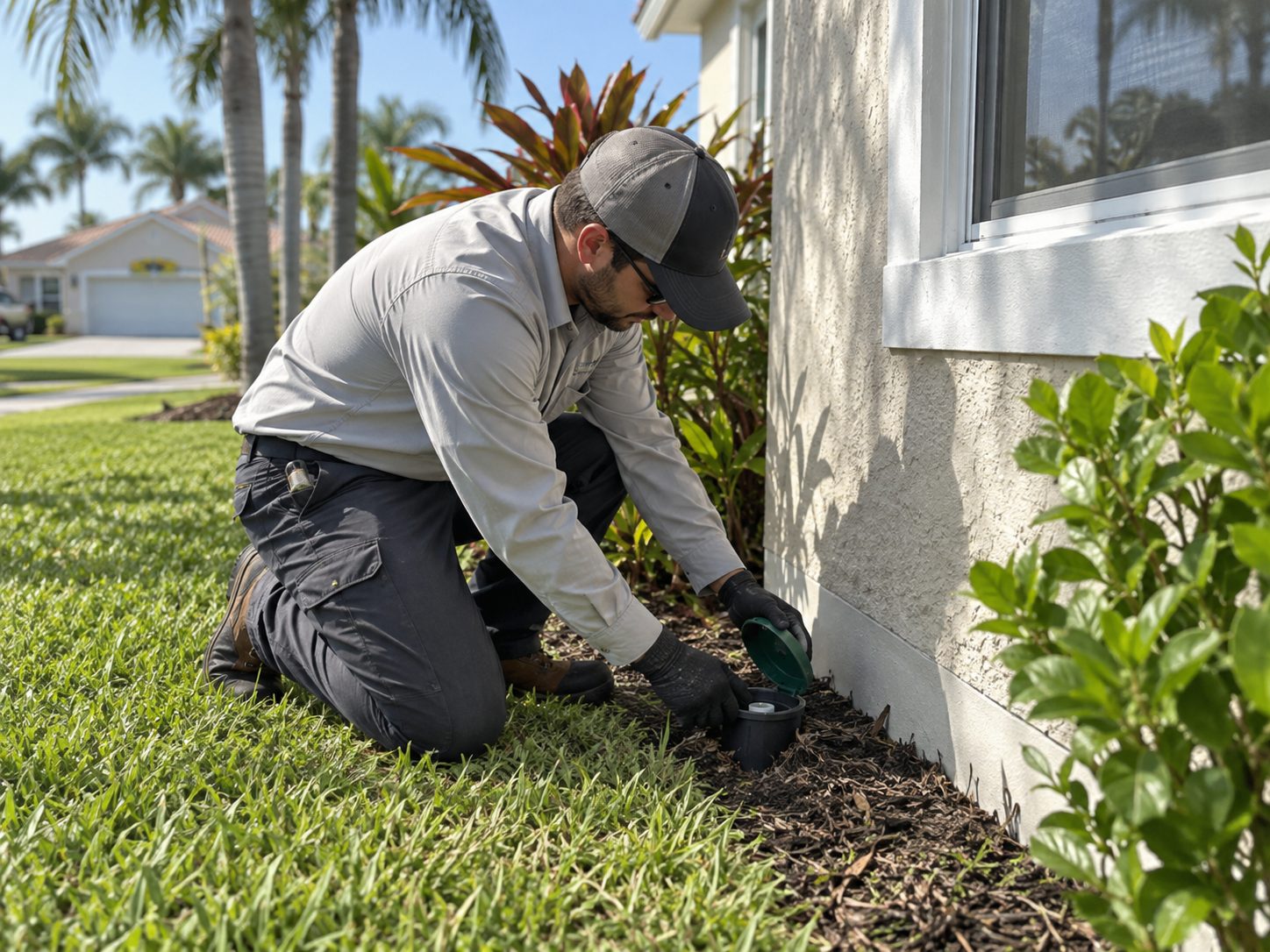

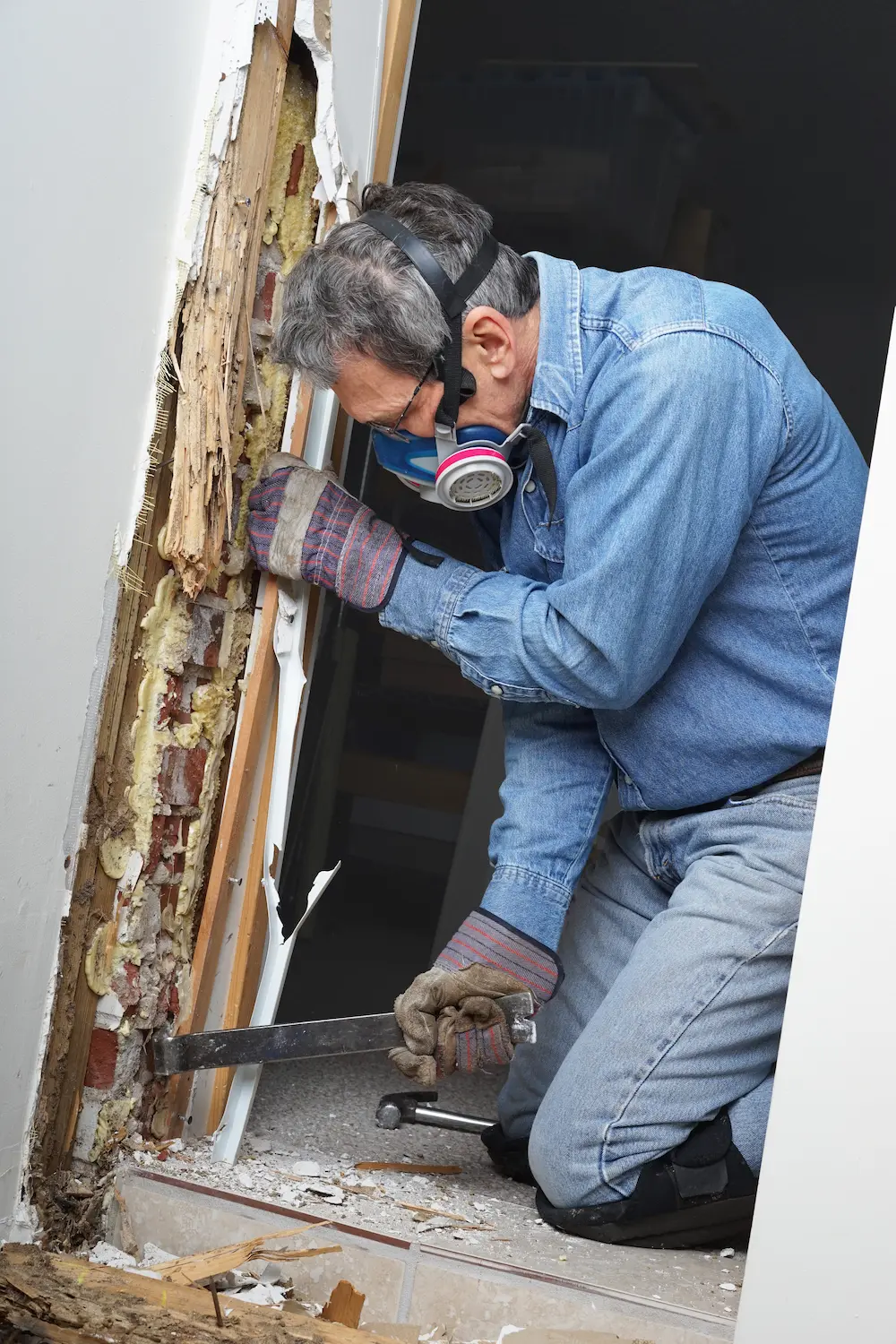
Booking termite work looks simple from the outside. You call a company, schedule an inspection, approve a treatment, and expect the problem to disappear. In practice, that sequence is where many homeowners get tripped up. The damage from a poor decision is not always immediate, which makes it easy to miss the warning signs until months later, when a baseboard softens under paint, a door frame starts to buckle, or a repair estimate lands far above the original treatment cost.
Termites are expensive not because every infestation is catastrophic, but because they are easy to underestimate. They work out of sight. They often leave subtle evidence. They can be mistaken for ants, ignored as “just old wood,” or treated too narrowly when the real issue is broader. The most common booking mistakes are not dramatic. They are ordinary decisions made too quickly: hiring the first company available, comparing bids only on price, skipping the paperwork, or assuming one treatment method fits every home.
The good news is that most of these mistakes are avoidable if you know what to ask before the appointment is even on the calendar. A careful booking process does more than protect your house. It helps you separate real professionals from companies that are good at sales but weak at diagnosis, follow-up, or warranty support.
Why termite jobs go wrong before treatment even starts
A termite service call usually begins with urgency. Someone spots swarmers near a window. A contractor renovating a bathroom finds damaged framing. A real estate agent wants clearance before closing. When timing matters, people become vulnerable to shortcuts. They want fast reassurance, and some companies are built to sell exactly that.
The problem is that termite control is not a one-size-fits-all service. Subterranean termites, drywood termites, and moisture-related wood-destroying issues can look similar to a homeowner, yet the treatment plans differ significantly. A rushed quote over the phone, especially one that sounds firm before anyone has inspected the property, should make you cautious. A legitimate company can discuss typical ranges and common methods, but it Termite Control Services cannot responsibly prescribe a final solution without seeing the site conditions.
I have seen homeowners pay for perimeter treatments when the real problem was localized drywood activity in trim and attic framing. I have also seen the reverse, where a spot treatment bought a few quiet months but missed active subterranean movement from the soil. In both cases, the booking mistake happened early. The customer accepted certainty where caution would have been more honest.
Mistake one: choosing solely on the lowest price
Price matters. It would be unrealistic to pretend otherwise. Termite work can cost a few hundred dollars for limited corrective service or several thousand for whole-structure treatment, trenching, bait systems, repairs, or a combination approach. But the cheapest bid often conceals the most expensive compromise.
A low quote may reflect a narrow scope. One company may include a full inspection of accessible crawl spaces, attics, attached structures, and exterior conditions, while another may only price a basic treatment around obvious problem areas. On paper, the second number looks attractive. In the field, it may leave active conditions untouched.
The difference also shows up in materials and follow-up. Some termite control services include annual monitoring or reinspection. Others charge separately. Some warranties cover retreatment only. Others include a damage-repair component, often under specific conditions. If you compare prices without comparing scope, you are not comparing the same service.
A practical way to think about bids is to ask what problem each company believes it is solving. If one company says you have current activity at the rear foundation wall and another says there are signs of widespread risk due to moisture, wood-to-soil contact, and multiple shelter tubes, those are not interchangeable opinions. The lower price may simply reflect a less thorough assessment.
The inspection matters more than most homeowners realize
A termite treatment is only as good as the inspection that guides it. This is where experienced technicians earn their keep. Good inspectors do not just look for visible insects. They read the building. They look at grade levels, drainage, landscaping that touches siding, plumbing leaks, expansion joints, crawl space ventilation, previous treatment evidence, and inaccessible zones where assumptions become risky.
When booking, ask who will perform the inspection. In some companies, the most polished person is the salesperson, while the field technician who actually understands termite behavior arrives later and inherits a job he did not diagnose. That disconnect can produce mediocre outcomes. Ideally, the person inspecting should either be the treating technician or should communicate in detail with the treatment team.
It is also worth asking how long the inspection usually takes. There is no universal perfect duration because homes vary. A small slab home with good access is not the same as an older house with additions, crawl space restrictions, and heavy vegetation. Still, an inspection that feels hurried often is. If someone spends ten minutes glancing around the exterior and then presents a multi-thousand-dollar proposal with total confidence, pause.
A careful inspector may say something homeowners do not love to hear: “I need better access,” or “I want to confirm whether this is active.” That is not weakness. That is professional restraint.
Mistake two: failing to confirm what type of pest you are dealing with
Homeowners regularly confuse termite swarmers with flying ants. The difference matters. Treating the wrong pest wastes money and delays the right solution. A booking conversation should include basic identification, even if final confirmation happens during the inspection.
Subterranean termites tend to be tied to soil contact and moisture conditions. Drywood termites live directly inside dry wood and do not require soil. Carpenter ants are a different issue entirely, often associated with damp or decayed wood. Powderpost beetles create another set of concerns. The evidence, treatment strategy, urgency, and long-term prevention plan change depending on the pest.
A reliable company will explain what they suspect and what evidence supports that suspicion. They should not make you feel foolish for asking the difference. If anything, a technician who welcomes those questions usually does better work because they are used to educating clients, not just closing them.
One small but useful habit is taking clear photos before you call. Swarmers near a windowsill, shed wings, mud tubes on foundation walls, blistered trim, or frass pellets can all help a company prepare for the inspection. Photos do not replace a site visit, but they Termite Control Services can improve the quality of the initial conversation.
Mistake three: not asking how the treatment method fits the structure
Many homeowners hear terms like liquid barrier, bait station, spot treatment, void application, borate treatment, or fumigation without understanding where each method makes sense. Booking termite control services without discussing treatment fit is one of the easiest ways to end up with the wrong job.
A slab-on-grade home with active subterranean termites may call for trenching and drilling in certain areas, or a baiting approach if site conditions support it. A historic property with delicate finishes may need a more selective strategy. A drywood infestation limited to accessible trim may not justify whole-house fumigation, but scattered activity in multiple concealed areas might. The right answer depends on infestation type, extent, construction details, occupancy needs, and budget tolerance.
This is where trade-offs matter. Liquid treatments can offer immediate control in the right context, but they may require drilling through slabs, porches, or finished surfaces. Bait systems can be less disruptive and useful for monitoring, but they rely on proper placement and ongoing service. Spot treatments cost less up front, but if the infestation is broader than expected, they can become a temporary fix rather than a durable one.
Ask the company why they recommend a specific method for your house, not just why their method works generally. The phrase “for your house” is important. Good companies tailor. Weak ones recite.
What to ask before you book
A few questions reveal a great deal about a provider’s competence and transparency. You do not need to interrogate anyone, but you should feel comfortable asking for specifics.
- What termite species or wood-destroying pest do you suspect, and what evidence supports that?
- What exactly is included in the inspection and written estimate?
- Who performs the treatment, and are they licensed or supervised according to local requirements?
- What does the warranty cover, for how long, and what would void it?
- What preparation, access, or follow-up will be required from me?
Notice that none of these questions are exotic. They are basic operational questions, yet weak companies often answer them vaguely. If the responses are slippery, rushed, or overly sales-driven, that is useful information before you sign anything.
Mistake four: overlooking the fine print in warranties and service agreements
Homeowners often hear “one-year warranty” and assume they are protected. Protected from what, exactly? Retreatments only? New visible activity? Damage repair? Annual reinspections? Transferability during a home sale? Those details matter.
Some agreements require strict renewal schedules. Miss the renewal window and the coverage changes or disappears. Some require you to correct conducive conditions, such as moisture issues or structural access problems, before the warranty remains valid. Others exclude detached garages, fences, sheds, decks, or additions unless specifically listed. These are not minor technicalities. They shape the real value of the service.
I once reviewed two proposals that looked almost identical in price. One included annual inspection visits and retreatment if new activity was found within the covered structure. The other offered a cheaper initial price but billed separately for return inspections after the first year. Over time, the “more affordable” option was no bargain at all.
If you are selling or buying a home, ask whether the agreement can transfer to the next owner. That point alone can affect negotiations.
Mistake five: ignoring conditions that invite termites back
Even the best treatment can be undermined by unresolved moisture or access issues. Termite companies control termites. They do not automatically solve drainage defects, leaking hose bibs, clogged gutters, improper grading, or wood debris under a crawl space. Yet those conditions often sustain the risk.
A trustworthy provider will mention conducive conditions even when correcting them does not directly earn them revenue. In fact, one sign of a serious professional is that they will sometimes recommend non-chemical changes with as much emphasis as the treatment itself. That might include lowering soil against siding, replacing damaged wood, trimming vegetation, fixing leaks, or improving ventilation in a crawl space.
If a company talks only about product and never about the building environment, the advice is incomplete. Termite control is not just a chemical decision. It is a property management decision.
Timing can affect both cost and quality
Many people wait until they see obvious damage, but visible damage often means the colony has been active for some time. Earlier intervention is usually cheaper. That said, “fast” should not mean “same-day treatment at any cost.”
A very common mistake is booking treatment before all affected areas can be inspected. Maybe the crawl space is blocked by stored items. Maybe a wall is scheduled to be opened during remodeling next week. Maybe there is standing water under the house after heavy rain. In those cases, it can be smarter to coordinate timing so the company can inspect and treat more accurately. Delaying blindly is a mistake, but so is proceeding with poor access and false confidence.
Weather and season can also shape logistics. Swarm season prompts call surges, which can reduce appointment availability. During those windows, homeowners are more likely to book hastily. If you have had prior termite issues or own a high-risk property, annual inspections before peak activity periods can be a better strategy than waiting for a spring surprise.
Real estate transactions create their own set of booking mistakes
Termite inspections tied to property sales often happen under pressure. Deadlines compress judgment. Buyers want reassurance, sellers want clearance, and everyone wants the report yesterday. That environment creates shortcuts.
The first shortcut is assuming a clearance letter means the home is termite-proof. It does not. It means the inspector found or did not find certain conditions at the time of inspection, under the accessible circumstances present that day. Hidden issues can still exist.
The second shortcut is accepting repairs or treatments without understanding whether they are corrective, preventive, or both. A seller may agree to treatment but decline repairs. A buyer may hear “treated” and assume damaged wood was replaced. Those are separate questions and should be documented separately.
The third shortcut is letting the transaction dictate the contractor choice without independent review. If an agent recommends a company, that may be perfectly fine, but you still need to read the report and ask who is accountable if new activity appears shortly after closing.
When multiple quotes help, and when they confuse the process
Getting more than one quote is usually smart, especially for larger jobs. But homeowners sometimes collect three or four proposals and become more confused because the language varies so much. One estimate says active infestation. Another says evidence of prior activity. Another recommends full treatment plus monitoring. Another suggests only local correction.
When that happens, do not compare only totals. Compare observations. Where did each inspector actually find evidence? What areas were inaccessible? Did anyone probe damaged wood? Did anyone discuss moisture readings or exterior grade? Did anyone show you shelter tubes, frass, wings, or live insects? The quality of explanation matters as much as the recommendation.
You may also discover that two companies mostly agree but express themselves differently. For example, one may prioritize immediate treatment and mention repairs second. Another may emphasize repairs first because the damage is already open during renovation. That is not necessarily contradiction. It may simply reflect professional emphasis.
If two assessments sharply conflict, ask one or both companies to walk you through the evidence on site. A professional who can show you what they are seeing, and just as important what they cannot yet confirm, is usually worth taking seriously.
Red flags that should slow you down
There is no perfect contractor, and not every awkward interaction is a sign of bad service. Still, some warning signs come up often enough to deserve attention.
- A firm price and guaranteed cure are offered before a real inspection.
- The company refuses to provide a written scope of work or warranty terms.
- The representative pressures you to sign immediately by using fear rather than evidence.
- The proposal is vague about treatment areas, follow-up visits, or excluded structures.
- No one discusses moisture, access, or conditions that may contribute to recurrence.
Any one of these might be explainable in context. Several together suggest you should keep looking.
Repairs, prevention, and treatment are related, but not identical
Another costly misunderstanding happens when homeowners assume the termite company will handle all structural repairs. Some do offer repair services or work closely with contractors. Many do not. Booking the treatment is one part of the response. Repairing damaged framing, trim, flooring, or drywall may require a separate scope and a different specialist.
It is important to understand sequence. In some cases, treatment comes first so active infestation is controlled before repairs conceal the evidence. In other cases, limited opening of a wall or soffit may be needed first so the infestation can be assessed properly. If you are already planning renovations, tell the termite company. That can materially change the inspection quality and the treatment plan.
Prevention also deserves its own conversation. After active termites are addressed, what is the long-term management plan? Annual inspections? Bait monitoring? Moisture corrections and routine exterior checks? The booking process should not stop at “How do we kill what is here now?” It should also address “How do we reduce the odds of dealing with this again?”
The value of documentation
People tend to underestimate how useful good records become later. Keep the inspection report, treatment diagram, warranty, paid invoices, and notes about conducive conditions. Take your own photos before and after treatment if damaged areas are visible. If bait stations are installed, know where they are. If drilling was done through slabs or masonry, note the locations.
This is not administrative fussiness. It helps with renewals, future inspections, insurance conversations where applicable, renovation planning, and resale disclosures. It also prevents a common problem where a homeowner vaguely remembers “having it treated a few years ago” but cannot say by whom, how, or under what terms. That lack of clarity can cost money the second time around.
A better way to book termite control services
The strongest bookings tend to share the same pattern. The homeowner notices a sign, gathers a few details, schedules a proper inspection, asks clear questions, reads the scope carefully, and chooses based on fit rather than fear. There is still room for urgency when active termites are likely, but it is informed urgency, not panic.
Termite control services are not just about applying a product. They involve diagnosis, structural context, follow-up, and accountability. The company you hire should be able to explain what they found, what they propose, what they are not covering, and what you need to do after treatment. If they cannot do that in plain language, the problem is not your understanding. It is their communication.
Most expensive termite mistakes begin as small booking mistakes. A little patience at the front end usually costs far less than re-treatment, hidden damage, or a warranty dispute later. When you treat the booking process as part of the job, not just a step before it, you put yourself in a much stronger position to protect the house and the budget attached to it.
Maximum Pest Control
836 NE 7th Terrace Suite #5
Cape Coral, FL 33909
+1 239-772-7363
FAQ About Termite Control Services
What are two signs of a termite infestation?
Mud tubes along a foundation and piles of shed wings near doors or windows are two signs to investigate. Mud tubes are associated with subterranean termites. A licensed inspector can identify the insect and assess whether there is active infestation.
How many years does a termite treatment last?
There is no single timeline for all treatments. The method, site conditions, and maintenance affect how long protection lasts. Bait systems rely on monitoring and service. Ask the provider for the recommended inspection schedule and the terms of any coverage.
Is Termite Treatment Expensive in Cape Coral?
Cost depends on the termite species, the size and construction of the property, the extent of activity, and the treatment method. Request a written estimate after inspection and ask whether monitoring, follow-up visits, and renewals are included.
❧