October 13, 2026
Termite Control Services Cape Coral FL for Dependable, Long-Term Results
By @stephennubi422
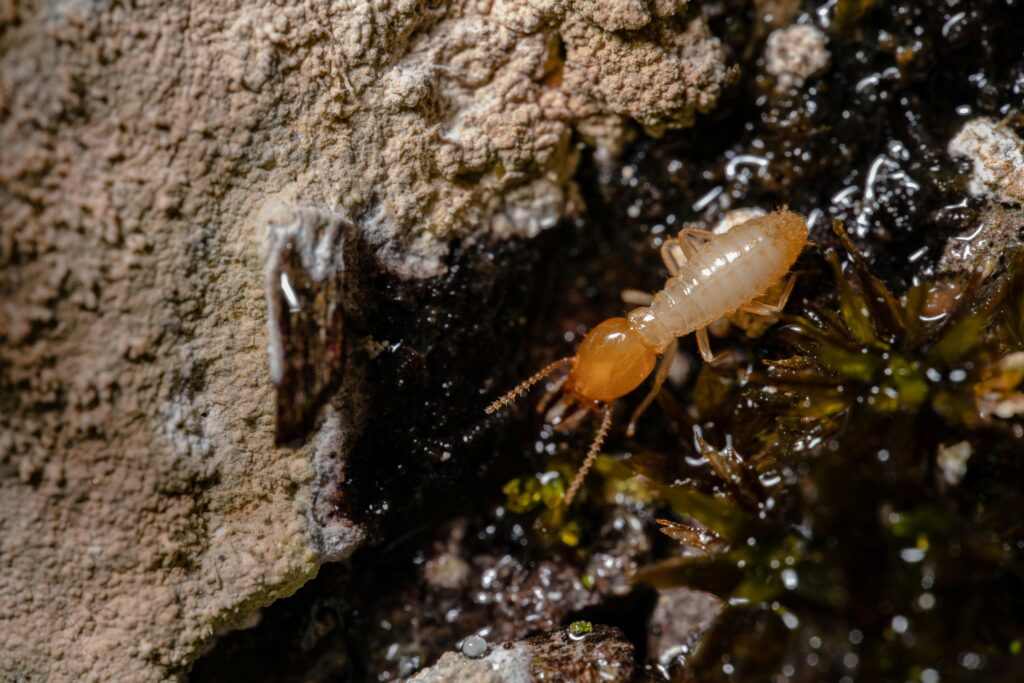
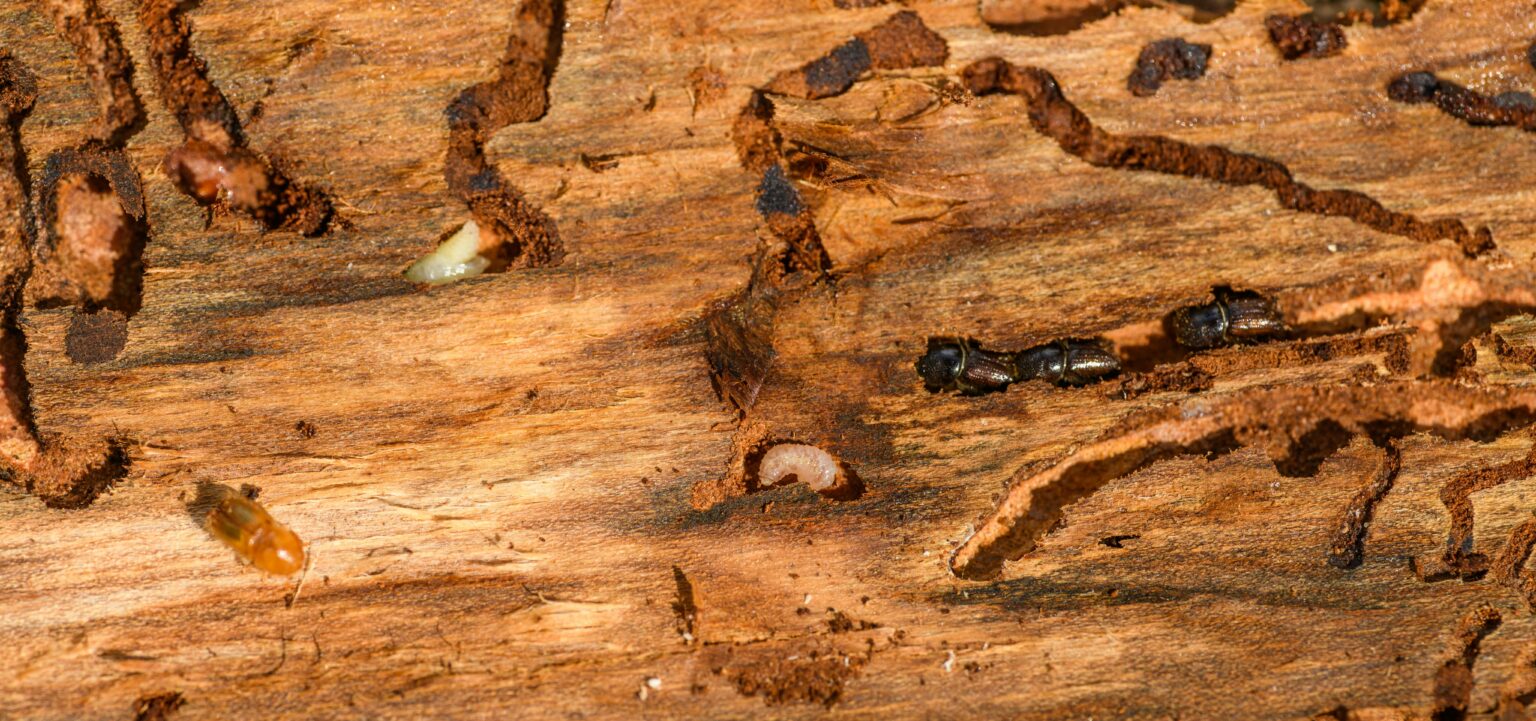
A termite problem rarely announces itself with drama. More often, it starts quietly, behind baseboards, inside wall voids, under flooring, or in the structural lumber no one sees until damage has already spread. In Cape Coral, that quiet start matters. The local climate gives termites a long active season, and the area's moisture patterns, landscaped lots, irrigation systems, and waterfront conditions can all create inviting conditions around a home.
That is why homeowners who want real protection tend to look beyond a one-time spray or a quick visual check. They want termite control that holds up over time, adapts to Florida conditions, and addresses the way termites actually behave on the property. When people search for Termite Control Services Cape Coral FL, what they usually need is not just treatment. They need a plan, a careful inspection, and follow-through.
Why termite issues tend to escalate in Cape Coral
Southwest Florida presents a mix of factors termites like. Warm temperatures allow activity through much of the year. Rainy periods raise moisture around foundations and landscaping. Dry spells can drive subterranean termites to search more aggressively for stable moisture sources around slabs, plumbing penetrations, or shaded soil. Add in mulch beds, wood fencing, lanais, soffits, and attics that trap heat, and you have plenty of places for termites to feed or swarm.
Cape Coral also has a wide variety of home styles and ages. A newer concrete block home is not termite-proof. Neither is an older wood-frame structure. Termites do not care whether the home is modest or high-end. They care about access, food, moisture, and shelter. On one property, the issue may begin at a wood-to-soil contact point near an exterior wall. On another, it may show up as drywood termite pellets in a window sill Termite Control Services Cape Coral FL or garage corner.
This is where experience matters. A trained termite professional does not just look for damage. They read the property. They pay attention to soil grade, drainage patterns, old treatment evidence, attic conditions, stucco cracks around utility lines, and the small clues that tell a larger story.
The two termite problems homeowners most often face
In Cape Coral, termite conversations usually center on subterranean termites and drywood termites. The distinction matters because the treatment strategy is different.
Subterranean termites live in the soil and move into a structure from the ground. They build shelter tubes to stay protected and moist while they travel. When they are active, the colony may be established some distance from the spot where damage is discovered. A homeowner might see mud tubing on a foundation wall, bubbling paint, or wood that sounds hollow when tapped. By then, the insects have often been feeding for some time.
Drywood termites do not need soil contact. They can infest dry wood directly and often enter through attic vents, soffits, fascia, or other exposed areas. A classic clue is the presence of tiny fecal pellets, often found in little piles beneath kickout holes. Homeowners sometimes mistake those pellets for sawdust or debris from another pest. They are not the same thing.
This difference is one reason generic pest control is not enough. General pest service can be useful for ants, roaches, spiders, or seasonal invaders, but termite control requires a different level of inspection, diagnosis, and treatment planning.
What dependable termite control actually looks like
Long-term termite protection is rarely the result of a single product. It comes from choosing the right treatment for the infestation type, applying it correctly, and correcting the conditions that make re-infestation likely.
A dependable termite service usually starts with a full inspection, not a quick glance around the baseboards. The technician should inspect accessible interior and exterior areas, note construction type, identify risk points, and explain whether the evidence suggests active infestation, past activity, or conditions favorable to termites. That distinction matters. I have seen homeowners panic over old signs from a previous issue, and I have also seen serious active infestations dismissed because the evidence was subtle.
Once the type of termite is identified, the treatment path becomes clearer. For subterranean termites, that often means a liquid soil treatment, a baiting system, or a combination depending on the site conditions and severity. For drywood termites, localized treatment may work in some cases, while broader whole-structure options may be more appropriate in others, especially when multiple areas are involved or the infestation cannot be mapped with confidence.
The strongest termite programs also account for prevention. A treatment that kills active termites but leaves the same moisture problems, wood contact points, and concealed entry routes in place is only a partial fix.
Signs that deserve a professional inspection
Many homeowners wait because they are unsure whether what they are seeing is serious. A few warning signs are worth taking seriously right away:
- Pencil-width mud tubes along the foundation, garage wall, stem wall, or interior surfaces
- Small piles of hard, sand-like pellets near trim, window sills, or attic framing
- Soft, blistered, or hollow-sounding wood
- Swarming insects indoors or around windows, especially during warm, humid periods
- Doors or trim that suddenly fit poorly without a clear moisture or settling explanation
Not every sign confirms termites, but each one justifies a close look. The cost of inspection is small compared with what hidden structural repairs can become if the problem is allowed to continue.
Why one-size-fits-all treatment often disappoints
Some of the worst termite outcomes begin with a rushed diagnosis. A homeowner notices damage, someone drills and injects a few spots, and everyone hopes for the best. Sometimes that works, especially for a contained drywood issue. Sometimes it misses the larger problem entirely.
Take a home with subterranean activity entering near a plumbing penetration on one side and landscaping moisture keeping the soil attractive around the perimeter. Spot treatment indoors may kill termites at one visible location, but it will not necessarily intercept the colony's movement elsewhere. On the other hand, a whole-perimeter soil treatment on a home that actually has a drywood infestation in the attic may leave the real issue untouched.
The right provider should be willing to explain not just what they recommend, but why they recommend it for your specific home. Homeowners do not need a chemistry lecture. They do need clarity on whether the problem is subterranean or drywood, how extensive it appears to be, what areas are being treated, and what follow-up is required.
Liquid barriers, bait systems, and drywood treatments
When people compare Termite Control Services Cape Coral FL, they often focus on price first. That is understandable, but treatment type and execution matter far more than the cheapest number on an estimate.
Liquid termite treatments are designed to create a treated zone in the soil around the structure. When installed correctly, they can provide strong protection against subterranean termites. The challenge is in the details. Slabs, patios, porches, attached garages, decorative concrete, and landscaping features can all affect access and application methods. A thorough job takes planning and care.
Bait systems work differently. Rather than forming a continuous treated zone, they use strategically placed stations to monitor and affect termite activity over time. Baits can be an excellent fit on some properties, especially where trenching or drilling is impractical or where monitoring is a priority. They do require regular inspection and maintenance. A bait system ignored after installation is not a real termite program.
Drywood termite treatment can involve localized applications into affected wood members or galleries. In more extensive situations, whole-structure treatment may be considered. The right approach depends on infestation spread, accessibility, the amount of wood involved, and the homeowner's tolerance for uncertainty. If signs show up in one room, that does not always mean the issue is limited to one room. That is where seasoned judgment becomes valuable.
The inspection should feel thorough, not theatrical
A professional termite inspection is not about scaring the customer. It is about finding evidence, separating active risk from minor cosmetic concerns, and documenting what is actually there.
A solid inspector usually spends time outside before moving in. They look at grade level, mulch depth, siding clearance, cracks around penetrations, drainage patterns, and places where wood comes too close to soil. Inside, they pay attention to garages, utility rooms, attic framing, window trim, baseboards, and any areas where moisture has been present. They may probe damaged wood, check for pellets, and note inaccessible zones honestly rather than pretending everything was visible.
That honesty matters. Every home has limitations. Cabinets block portions of walls. Insulation can conceal framing. Stored items can prevent access in garages or attics. A good provider explains those limitations clearly and tells you what they can say with confidence, and what remains unknown.
What homeowners can do to lower termite pressure
No prevention step guarantees a termite-free home, but a few practical corrections can reduce risk and support treatment results:
- Keep soil and mulch from touching siding, trim, or other wood components
- Repair leaks promptly, especially around hose bibs, roofs, windows, and plumbing lines
- Avoid storing lumber, cardboard, or wood debris against the house
- Have visible termite signs checked early rather than waiting for more evidence
- Schedule periodic inspections, particularly after prior infestations or treatment history
These are not substitutes for professional control, but they can make a meaningful difference. A house with chronic moisture at the perimeter and several untreated access points asks far more of any termite system.
The real cost of waiting
Termites are not like a dripping faucet that stays roughly the same for months. They are persistent, and because they work out of sight, people often underestimate how long they have been active. By the time damage becomes visible, the underlying feeding can be more extensive than expected.
Financially, the cost gap between early detection and delayed action can be substantial. A routine inspection and targeted treatment may be manageable. Structural repairs involving trim, framing, flooring, or wall finishes can escalate fast, especially when the damage is discovered during a sale, refinance, or renovation. There is also the disruption. Repair work is rarely convenient. It interrupts schedules, forces access into living areas, and often brings added costs that were not part of the original termite decision.
I have seen homeowners feel relieved after learning that a suspicious pile of pellets came from a localized issue caught early. I have also seen the opposite, where years of "we should probably get that checked" turned into repairs far beyond what they imagined. The delay is usually what hurts most.
Choosing among termite providers in Cape Coral
A trustworthy termite company does more than hand over a generic estimate. They inspect carefully, explain the type of termite involved, recommend a treatment that fits the property, and set realistic expectations about follow-up.
When comparing providers, it helps to pay attention to the quality of the conversation. Are they asking about swarm sightings, prior treatments, renovations, moisture issues, and where signs were found? Do they explain whether they saw active evidence or only conditions conducive to infestation? Do they discuss warranties or ongoing monitoring in clear terms? Those details often tell you more than the sales sheet.
It is also worth asking how they handle difficult construction features. Cape Coral homes may have decorative pavers, enclosed lanais, seawall-adjacent conditions, dense landscaping, or additions that complicate access. An experienced provider should be able to explain how treatment will be adapted without hand-waving.
The best termite service is usually not the one making the biggest promises. It is the one making the clearest, most defensible plan.
Long-term results depend on follow-through
Some homeowners think of termite control as a one-time event. A problem appears, a treatment happens, and the issue is done forever. In reality, long-term protection depends on whether the strategy includes monitoring, reinspection, and adjustments when property conditions change.
A new irrigation pattern can increase moisture near the slab. A landscaping project can bury weep screeds or create hidden wood contact. Roof leaks can make attic framing more vulnerable. Even a previously treated home benefits from periodic review because the environment around it does not stay frozen in time.
That is especially true in a climate like Cape Coral's, where heat, rain, and humidity can keep termite pressure relevant year after year. For homeowners who want confidence, the practical mindset is simple: treat verified problems thoroughly, reduce conducive conditions, and keep the property on a sensible inspection schedule.
When the issue shows up during a sale or insurance conversation
Real estate transactions often bring termite concerns into sharper focus. A buyer notices pellets in the garage. A seller learns that an old repair area raises questions. Sometimes a home inspection report mentions damage without confirming whether it is active. These situations require calm, experienced evaluation.
Not all wood damage is active termite damage. Not every old tube means current infestation. At the same time, visible evidence should never be brushed aside because a closing date is approaching. A clear termite inspection can help determine whether the concern is historical, localized, widespread, or active, and that can shape negotiations, repair decisions, and treatment timing.
Homeowners often feel pressure in these moments to choose the fastest answer. Speed matters, but accuracy matters more. The wrong treatment, rushed just to keep a transaction moving, can leave both parties with unresolved risk.
What dependable service feels like from the homeowner side
From the outside, termite work may look technical, but the homeowner experience should feel straightforward. You should know what was found, what type of termite is suspected or confirmed, what treatment is being performed, what areas are included, and what to watch for afterward. If there is a warranty or service agreement, the terms should be plain and specific.
That clarity builds trust, and it also helps homeowners do their part. When people understand why moisture correction matters, why inspections continue after treatment, and why a few new pellets after disturbance may not mean failure in every case, they make better decisions and respond faster when something changes.
For anyone evaluating Termite Control Services Cape Coral FL, that is the standard worth using. Look for careful inspection, termite-specific expertise, honest communication, and a plan built for the structure in front of you, not a script carried from one property to Maximum Pest Control Termite Control Services Cape Coral FL the next. Termites are persistent, but with the right service, so is the protection.
Maximum Pest Control
836 NE 7th Terrace Suite #5
Cape Coral, FL 33909, United States
Phone: (239) 772-7363
FAQ About Termite Control Services Cape Coral FL
What is the average cost of termite treatment in Florida?
There is no single price that fits every Florida property. The termite species, extent of activity, building construction, and treatment method affect the estimate. Ask for a written proposal that separates initial treatment from monitoring, renewal fees, and any repair coverage. Maximum Pest Control advertises free termite inspections; confirm the scope and current pricing directly.
How much is a termite treatment for a 2000 sq ft house?
Floor area alone is not enough to quote termite treatment. A 2,000-square-foot home may need a different approach depending on its foundation, accessible treatment areas, termite species, and infestation. Ask an inspector to explain why a particular treatment is recommended and compare written estimates for the same scope of work.
Can you ever fully get rid of termites?
Professional treatment can control an active infestation, but it does not make a property permanently immune to termites. The appropriate method depends on the species and where the colony is located. Follow-up inspections, moisture control, and keeping wood debris away from the structure help reduce future risk. Follow the treatment provider's monitoring plan and review any warranty conditions.
❧