November 10, 2026
Why Termite Control Services Matter in Humid Climates
By @stephennubi422
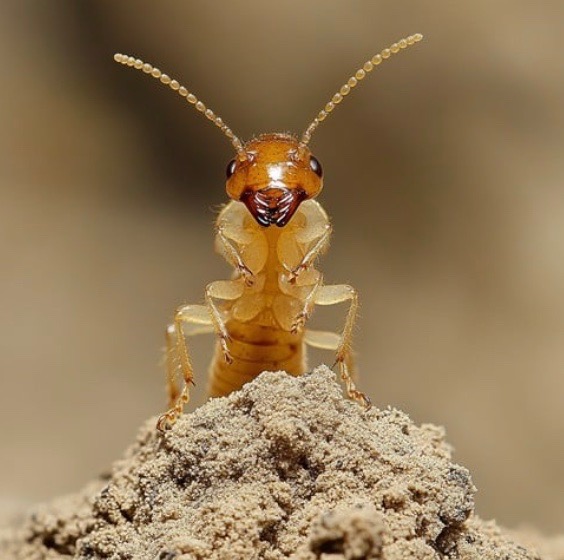
Humidity changes the way buildings age. Paint blisters faster, wood swells and shrinks with the seasons, mildew finds dark corners, and termites get exactly what they need to thrive. In dry regions, termite risk still exists, but in humid climates the pressure is different. Moisture does not just make a structure feel uncomfortable. It creates the conditions that allow termite colonies to establish, expand, and stay hidden long enough to do serious damage.
That is why termite control services are not a luxury in humid areas. They are part of responsible property maintenance, much like roof inspections, drainage work, or electrical safety checks. Homeowners often focus on what they can see, a stained ceiling, a soft baseboard, a swollen door frame, but termites work behind surfaces. By the time visual damage appears, the infestation may be well established.
Professionals who work in humid regions learn quickly that termite problems rarely begin with the insect alone. They begin with the environment. Chronic dampness under a house, poor grading around the foundation, clogged gutters, heavy vegetation against exterior walls, and leaking hose bibs all make a property more inviting. Effective termite work in these climates requires more than a one-time spray. It calls for inspection, diagnosis, moisture awareness, and a strategy that fits the structure.
Humidity turns a small vulnerability into a structural risk
Termites need moisture to survive, and humid climates help supply it. Even when a colony is not directly inside constantly wet wood, elevated ambient moisture can support the softening and decay that make wood easier to penetrate. That matters because many termite species prefer not just cellulose, but a stable environment where they can move safely and avoid dehydration.
In practice, this means a house in a coastal, subtropical, or frequently rainy area often presents more opportunities than the same house in a dry inland region. Crawl spaces stay damp after storms. Mulch beds hold water near siding. Condensation forms around plumbing lines and HVAC equipment. Soil remains moist near foundations for longer stretches of the year. All of that supports termite activity.
A common misconception is that termites only target neglected properties. That is not how it works. Well-kept homes can still have hidden vulnerabilities, especially where moisture builds up in places owners do not routinely inspect. A beautiful home with lush landscaping, frequent irrigation, and shaded perimeter beds may actually present more risk than a plainer property with better drainage and airflow.
This is one reason termite control services matter so much in humid climates. They account for environmental conditions that owners often underestimate. A qualified technician is not only checking for insects. They are reading the property, looking at where water moves, where it lingers, how wood meets soil, and where access points may be developing.
The damage termites cause is often quiet, cumulative, and expensive
Termites do not usually announce themselves the way rodents or ants do. There is no scratching in the wall, no Termite Control Services maximumpests.com visible trail across a countertop, no obvious nest hanging from a tree. In many cases, the first clue is a swarm of winged termites near a window, a door frame that sounds hollow, or bubbling paint that looks like a moisture problem. Sometimes a contractor finds the issue during unrelated work, such as replacing flooring or repairing trim.
By then, the damage can range from localized cosmetic repairs to major structural remediation. Floor joists, sill plates, subflooring, wall studs, porch supports, and built-in wood features are all vulnerable. In humid climates, termite activity can overlap with wood rot, which makes diagnosis more complicated and repairs more expensive. The two problems feed each other. Moisture weakens the material, termites exploit it, and the compromised wood becomes even less stable.
Repair costs vary widely depending on the location and extent of the infestation, but even a moderate case can become a multi-thousand-dollar project once demolition, replacement, and preventive treatment are added in. More severe cases can affect occupancy, financing, insurance conversations, or real estate transactions. Buyers in humid regions often ask directly about past termite history because they know the risk is not theoretical.
The financial point is straightforward. Professional termite prevention and monitoring usually cost far less than structural repair. More importantly, they reduce uncertainty. Property owners are not left guessing whether a damp crawl space is merely unpleasant or actively attracting a colony.
Not all termite pressure looks the same
Humid climates are not one-size-fits-all. A waterfront home in the Southeast, a wooded property in the Gulf region, and an older house in a tropical urban neighborhood may all deal with termites differently. Local species matter. Construction style matters. Soil type matters. So does the age of the building.
Subterranean termites are often the main concern because they live in the soil and travel through mud tubes to access wood. Humid ground conditions support them well. Drywood termites can also be a problem in some warm, humid coastal areas, especially where they infest wood directly without needing contact with the soil. The treatment approach differs significantly between the two, which is another reason experience matters.
The building itself shapes the risk. Slab homes may hide entry points around expansion joints, utility penetrations, or cracks. Crawl space homes can offer termites shaded, humid conditions beneath the floor structure. Older homes may have untreated lumber, legacy repairs, or additions built with inconsistent moisture management. Newer homes are not exempt either. Fast landscaping growth, irrigation overspray, and minor drainage defects can create inviting conditions within a few seasons.
A good termite professional does not treat every structure with the same script. They adapt recommendations to what they see. A house surrounded by dense plantings and heavy mulch may need vegetation pullback and moisture correction as much as chemical or bait-based treatment. A property with chronic crawl space humidity may benefit from improved ventilation or encapsulation alongside direct termite measures.
Why professional inspection matters more than spot treatment
One of the most costly mistakes in humid climates is treating termites like an isolated nuisance. Homeowners sometimes notice a few damaged boards on a deck or some suspicious pellets near a window and try to address only that visible area. The problem is that termites seldom limit themselves to the first place they are discovered. They use hidden pathways, wall voids, soil contact points, and protected structural cavities.
Professional termite control services begin with inspection because treatment without diagnosis is guesswork. An experienced inspector looks for active signs, past damage, moisture conditions, conducive construction details, and likely routes of entry. They may probe wood, check crawl spaces, inspect foundation lines, assess exterior grading, and examine areas around plumbing penetrations. In humid climates, these details are rarely incidental. They often explain why the infestation started.
This is also where judgment becomes important. Not every moisture stain means termites, and not every warped board means active infestation. On the other hand, the absence of obvious insects does not mean a structure is clear. Professionals learn to distinguish between old damage and current activity, between cosmetic deterioration and genuine structural concern.
That distinction protects owners in two ways. It prevents overreaction when a problem is limited, and it prevents dangerous complacency when a hidden infestation is advancing. Both outcomes matter. Overspending on unnecessary work is frustrating, but missing an active colony in a humid house can become far more expensive.
Humid climates demand prevention, not just response
The best termite work often happens before an owner ever sees damage. That may not be as emotionally satisfying as fixing a visible problem, but it is the smarter approach. In high-moisture regions, prevention works because it interrupts the conditions termites depend on.
For many properties, prevention includes a mix of building maintenance and professional treatment. Moisture control is central. If water is allowed to collect near the foundation, if downspouts empty too close to the house, or if crawl space humidity remains elevated, termite pressure tends to rise. Treatment can reduce risk, but if the environment remains favorable, the property may continue to invite activity.
That is why strong termite control services rarely focus on chemicals alone. The better providers explain the relationship between moisture and infestation clearly. They point out where siding is too close to soil, where mulch is piled against the structure, where wood debris in a crawl space should be removed, and where ventilation or drainage could be improved. Those recommendations may not sound glamorous, but they are often the difference between temporary relief and long-term protection.
Here are some of the property conditions that frequently elevate termite risk in humid areas:
- Standing water or poor drainage near the foundation
- Wood-to-soil contact at siding, steps, posts, or trim
- Dense vegetation and heavy mulch trapping moisture against exterior walls
- Leaking plumbing, HVAC condensate issues, or damp crawl spaces
- Firewood, lumber, or cellulose debris stored close to the house
None of these conditions guarantees an infestation, but together they create a pattern professionals recognize immediately. The more of them a property has, the more seriously owners should treat the risk.
Treatment choices require local knowledge and restraint
There is no universal termite solution that suits every humid-climate property. Soil treatments, bait systems, localized wood treatments, and whole-structure approaches all have their place, depending on the termite species, the construction type, and the severity of activity.
Soil-applied termiticides are often used against subterranean termites because they create a protective zone around the structure or target active foraging routes. Bait systems can work well as part of a monitoring and control strategy, particularly where continuous observation is valuable or where treatment access is limited. Localized treatments may help address defined infestations in certain situations. Drywood termite problems can call for very different methods than soil-based species.
This is where restraint matters. Overapplication is not a mark of expertise. Good providers match the treatment to the evidence. They explain why a certain approach fits the property and what follow-up is needed. In humid climates especially, they also address the practical limits of treatment. If moisture issues remain severe, owners need to understand that treatment alone may not compensate for conditions that keep attracting termites.
A veteran technician will often talk as much about maintenance as chemistry. That is a positive sign. It means they understand the building as a system rather than a set of isolated symptoms.
Real estate in humid regions makes termite history impossible to ignore
Anyone who has bought or sold property in a humid climate knows termite questions come up early. Lenders, buyers, agents, and inspectors all understand the stakes. A clean inspection can support confidence in a transaction. Evidence of old damage, incomplete treatment records, or unresolved moisture conditions can trigger negotiations, repair requests, or delays.
This is not simply about resale value, though that matters. It is also about credibility. A homeowner who has maintained regular termite service, kept documentation, and addressed moisture problems presents a very different risk profile from one who has ignored warning signs. In competitive markets, that difference can affect both price discussions and buyer trust.
For owners planning to stay long term, the same logic applies. Documented termite control services create continuity. They establish a baseline, make future inspections more meaningful, and reduce the chances that a new issue will go unnoticed for years. In humid climates, where environmental pressure is ongoing, consistency is often more valuable than heroic one-time interventions.
The seasonal rhythm of humid climates gives termites more opportunity
In some regions, winter naturally suppresses insect activity for long stretches. In warm, humid climates, that break may be short or incomplete. Termites can remain active for much of the year, with swarming periods tied to temperature, rainfall, and local species behavior. That extended activity window increases the need for regular monitoring.
Heavy rains can also shift the pattern. After storms, moisture levels rise, soil conditions change, and previously unnoticed vulnerabilities become more important. A foundation crack that seemed minor in a dry season may become an access point once the ground stays damp. The underside of a deck may retain moisture for days after each rain cycle. Repeated wetting and drying stresses wood and coatings, gradually opening the door to infestation.
Because of this, timing matters. Annual inspections are common, but some humid-climate properties benefit from more frequent checks, especially if they have prior termite history, complex landscaping, crawl spaces, or persistent moisture problems. That does not mean every home needs aggressive intervention. It means the inspection schedule should reflect actual risk rather than habit.
What homeowners should expect from quality termite control services
A good provider does more than arrive, treat, and leave. They explain findings in plain language. They distinguish urgent structural concerns from maintenance issues. They identify environmental factors that should be corrected by the owner or another contractor. And they document what was found, what was done, and what should happen next.
Homeowners should expect a service process that includes clear inspection notes, realistic treatment recommendations, and honest discussion about limitations. If a property needs drainage correction or crawl space work, that should be said directly. If the evidence points to old damage rather than active infestation, that should be said too. Precision matters because termite work affects budgeting, repair planning, and peace of mind.
These questions are worth asking before hiring a provider:
- What signs of active versus past termite activity did you find?
- Which termite species are most likely at this property?
- How do moisture conditions here affect the treatment plan?
- What follow-up inspections or monitoring do you recommend?
- Which building or landscape issues should be corrected to reduce future risk?
Those questions tend to separate routine service from thoughtful service. In humid climates, thoughtfulness counts. The environment is working against the structure every day, so small oversights can become recurring problems.
Moisture control and termite control belong in the same conversation
One of the clearest lessons from humid-region property care is that trades cannot work in isolation forever. The termite company may identify moisture issues, but the roofer, plumber, drainage contractor, HVAC technician, or crawl space specialist may need to fix them. The best outcomes come when owners understand how these issues connect.
A damp crawl space is not just an air quality issue. It can affect insulation, flooring performance, fasteners, and termite pressure at the same time. A leaking exterior faucet is not just a plumbing annoyance. Over months, it can keep soil near the foundation consistently moist, supporting activity where none existed before. Poorly directed sprinkler heads may seem harmless until they keep lower siding and trim wet through an entire growing season.
This is why smart homeowners in humid climates stop thinking of termite service as a narrow pest task. It is part of a larger preservation strategy. The goal is not merely to eliminate insects after they appear. The goal is to make the structure less hospitable to them in the first place, and to detect any activity early enough that repairs stay limited.
That shift in mindset often changes outcomes. Owners become more attentive to drainage, storage, ventilation, and exterior maintenance. Service visits become opportunities to spot developing issues rather than react to fully formed ones. Over time, that approach preserves both the house and the budget.
Where the real value lies
The value of termite control services in humid climates is not only in the treatment itself. It lies in risk reduction, early detection, and informed judgment. Moisture-rich environments increase the odds that termites will find a way in. Professional oversight reduces the odds that they will remain hidden long enough to do severe damage.
For property owners, that means fewer surprises behind walls and under floors. It means better repair planning, stronger real estate documentation, and more confidence that the home is being protected in a way that fits its setting. Humid climates ask more from buildings. They also ask more from the people maintaining them.
Termites take advantage of delay. Moisture gives them cover, time, and access. That is exactly why experienced, locally informed termite control services matter so much. They help owners see the problem before it becomes obvious, which is usually the moment that matters most.
Maximum Pest Control
836 NE 7th Terrace Suite #5
Cape Coral, FL 33909
+1 239-772-7363
FAQ About Termite Control Services
What are two signs of a termite infestation?
Mud tubes along a foundation and piles of shed wings near doors or windows are two signs to investigate. Mud tubes are associated with subterranean termites. A licensed inspector can identify the insect and assess whether there is active infestation.
How many years does a termite treatment last?
There is no single timeline for all treatments. The method, site conditions, and maintenance affect how long protection lasts. Bait systems rely on monitoring and service. Ask the provider for the recommended inspection schedule and the terms of any coverage.
Is Termite Treatment Expensive in Cape Coral?
Cost depends on the termite species, the size and construction of the property, the extent of activity, and the treatment method. Request a written estimate after inspection and ask whether monitoring, follow-up visits, and renewals are included.
❧